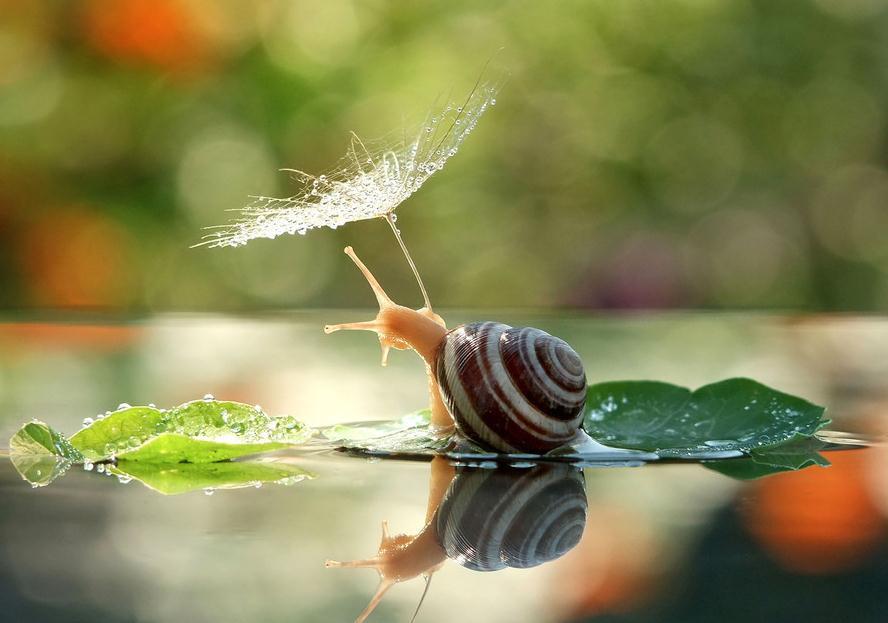
Meditation of Compassion

We then worked with a meditation experiment. In the first part of it, we imagined someone that we feel a very natural and spontaneous love for, in order to evoke that quality, to feel it. The instruction was to not focus on the person, but on the quality that we feel. So, as soon as the image of the person came into our imagination and we started to feel that emotion, that care for them, love for them, that feeling became the object of our concentration, that quality, and how it affects us.

Then, subsequently, in the final phase of practice, we were to imagine having that quality for everyone on the planet, a type of universal love.

Basic Pranayama

In the beginning, we did a breathing exercise in which, with relaxation and concentration we filled our lungs and then held the breath for as long as was comfortable, imagining that the restrained breath was like an energy or a light filling the brain with light and fire. We held the breath as long as we could, and then we exhaled, sending that same light and fire into the heart in order to nourish the heart. This breathing practice is called in Sanskrit, ‘pranayama’ , which in one way means, ‘to harness the wind’. But the deeper meaning is ‘to harness the force of life’. Variations of the exercise are common throughout religions, but unfortunately, in the western religions those techniques have been largely forgotten.

Klipoth

Empty Shells

Devils, Demons, Asuras, etc.

Hell / Kleshas / Samskaras

Subconscious / Unconscious / Infraconscious

Malkuth

Kabbalistic Name: Ischim “The Virile Ones”

Christian Name: Initiates

Corporeality / Form / Rupa

Physicality / Annamaya Kosha